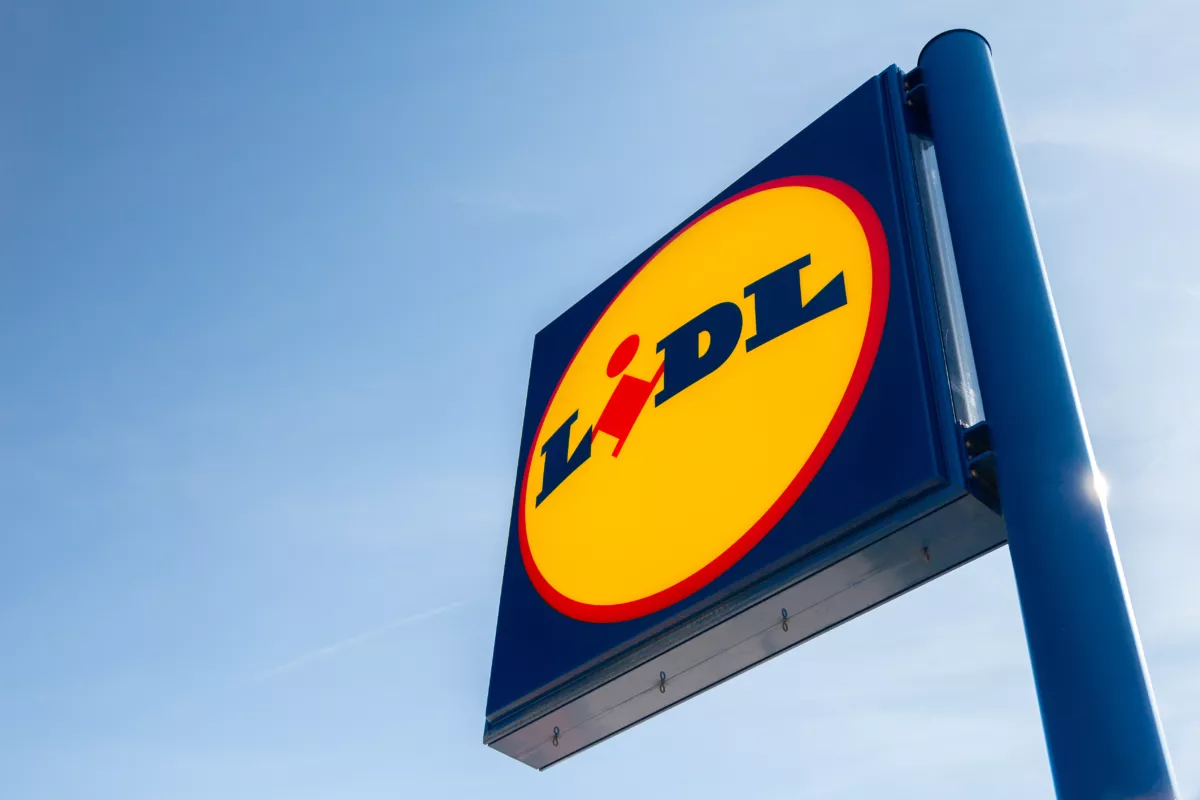
In an unexpected turn of events, discount supermarket giant Lidl has won a legal battle against retail giant Tesco concerning their loyalty card logo, the Clubcard. The Court of Appeal ruled that Tesco’s Clubcard logo infringed upon Lidl’s registered trademark. This decision has sent shockwaves through the retail industry, sparking discussions about trademark protection and the importance of thorough branding research.
What are trademarks?
Before diving deeper into the specifics of the case, let’s establish what a trademark is. A trademark, also spelled trade mark, is a recognisable sign, design, or expression that identifies a specific product or service and distinguishes it from others. Trademarks can encompass a variety of elements, including words, logos, slogans, colours, and even shapes. Registering a trademark grants the owner exclusive rights to use that mark within a particular category of goods or services. This registration serves to protect the brand identity and prevent customer confusion in the marketplace.
How can companies protect their trademarks?
Companies can safeguard their trademarks through registration with the relevant government intellectual property office. In the UK, this process is handled by the Intellectual Property Office (IPO). Registration provides several advantages:
- Exclusive rights: a registered trademark grants the owner exclusive rights to use the mark within the specified category. This empowers the owner to take legal action against any infringing party;
- Brand protection: registration strengthens brand identity and fosters consumer recognition. Customers can confidently associate the trademark with a particular company and its products or services; and
- Dissuasive effect: registration discourages others from adopting confusingly similar marks, minimising the risk of brand dilution and customer deception.
Remedies for trademark infringement
Trademark infringement occurs when a third party uses a confusingly similar mark without authorisation. If a trademark is infringed, the owner can pursue various legal remedies, including:
- Injunction: a court order compelling the infringing party to cease using the mark;
- Damages: the trademark owner may seek monetary compensation for any financial losses incurred due to the infringement;
- Account of profits: the infringer may be required to surrender any profits earned through the use of the infringing mark; or
- Confiscation of goods: in some cases, the court may order the confiscation of infringing goods.
The Lidl v Tesco case
In the case of Lidl v Tesco, Lidl claimed that Tesco’s Clubcard logo design, consisting of four blue squares arranged in a square formation, too closely resembled their own registered trademark for a diamond-shaped logo featuring four blue squares. The Court of Appeal agreed with Lidl, determining that a likelihood of confusion existed among consumers, particularly budget-conscious shoppers who might frequent both Lidl and Tesco. As a result, Tesco will be required to alter their Clubcard logo.
Lessons learned from the Lidl v Tesco case
The Lidl vs Tesco case serves as a cautionary tale for businesses of all sizes. Here are some key takeaways:
- Conduct thorough trademark searches: before settling on a brand name or logo, companies should conduct thorough trademark searches to ensure the chosen mark is available for registration and does not infringe upon existing trademarks;
- Seek professional guidance: consulting with an intellectual property lawyer can be invaluable in navigating the trademark registration process and identifying potential infringement risks; and
- Consider the bigger picture: while cost-effectiveness is essential, neglecting trademark protection can lead to costly legal battles and brand damage down the line.
How Saracens can help
While this article has focused on UK trademark law, trademark infringement can occur internationally. If you are a business with international operations or aspirations, consulting with a law firm like Saracens with experience in global trademark protection can be extremely beneficial. Saracens can guide you through the trademark registration process in various jurisdictions and assist you in enforcing your trademark rights if infringement occurs.
In conclusion, the Lidl vs Tesco case highlights the significance of trademark protection in safeguarding brand identity and preventing customer confusion. By conducting thorough trademark searches, seeking professional guidance, and implementing a robust brand protection strategy, businesses can minimise the risk of infringement and ensure the long-term success of their brands.