TikTok Fined £12.7m… The Importance of Data Protection Laws

TikTok Fined £12.7m… The Importance of Data Protection Laws

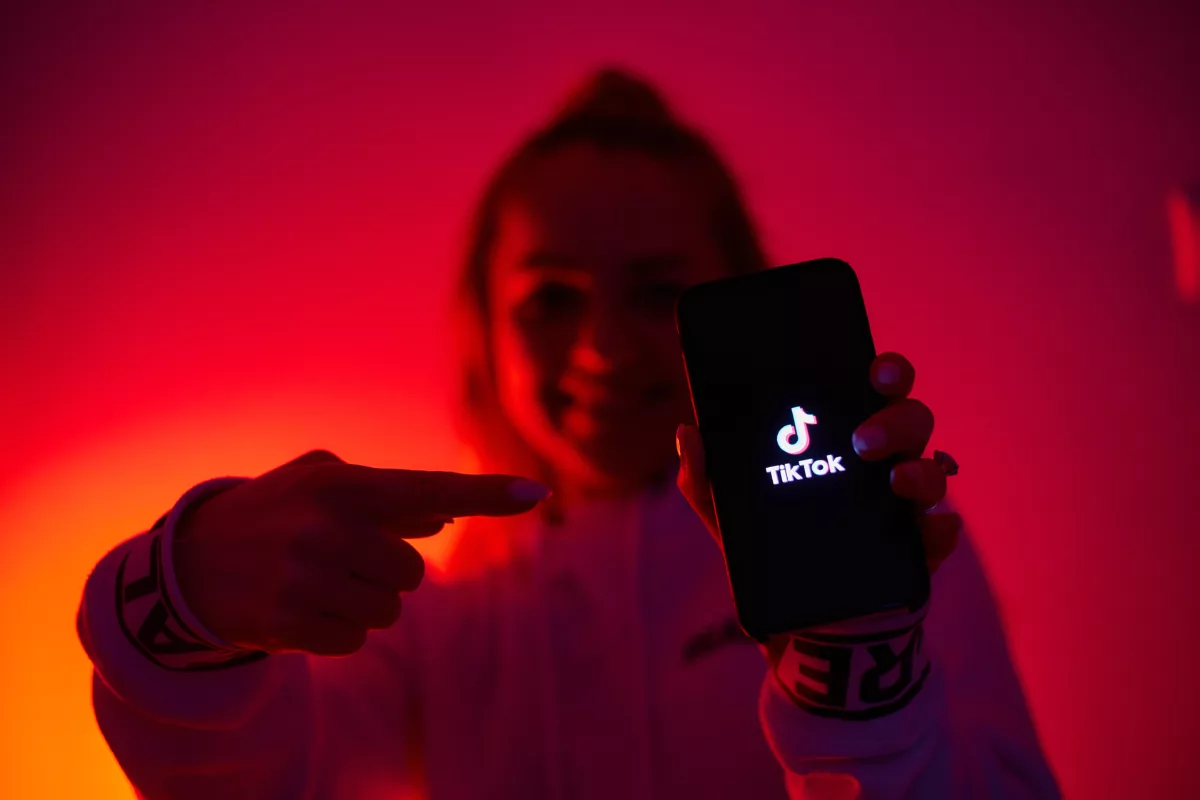
Last month the Information Commissioners Office (ICO) issued a £12,700,000 fine to TikTok for a number of breaches of the UK data protection laws, including a failure to use children’s data lawfully. The Information Commissioner stated that children’s data “may have been used to track children and profile them, potentially delivering harmful inappropriate content with their next scroll.”

The ICO estimated that up to 1.4 million UK children under 13 years were permitted to use the TikTok platform regardless of its own rules that did not permit children of that age or less to create an account. TikTok effectively used personal data belonging to children under 13 years without parental consent.

TikTok was also found to fail in the carrying out of adequate checks to identify and remove underage children from accessing and using its platform. Through the ICO investigation it was found that this concern was raised with senior employees at the organisation and that TikTok did not take adequate steps to remove children using the platform against TikTok’s terms of use permitting the creation and use of the platform.

Businesses offering information society services to children under 13 years must have consent from their parents or carers. They must put ‘best interests of the child’ as the primary consideration. A concept derived from the United Nations Convention on the Rights of the Child (UNCRC).

Some factors online businesses offering services to children should consider include:

· What’s the age range of people who use our service?

· What do we know about the age of individual users?

· How much personal data do we need?

· Should we be sharing personal data?

· It is fair to children to use their personal data that way? and

· When we use children’s personal data, how might it affect their privacy; health and wellbeing?

An assessment of the above factors should be undertaken by any organisation offering online services that could reasonably be used by children.

Providing services with default settings around limits on data sharing and privacy are also actions that can assist businesses with confirming to data protection obligations. Developers can also be enable settings to be switched ‘off’ for behavioural advertising and location information. These are just some of the factors businesses can address when putting the best interests of the child first. The ICO has since published the ICO Childrens Code to help protect children within the digital world with guidance for businesses by ensuring online services are better designed with children in mind. It translates the General Data Protection Regulation (GDPR) by helping businesses understand what is expected of them.

Although not legally binding, businesses that do not follow the code’s guidance could face fines up to 4% of global turnover, enforcement action including compulsory audits and stop processing orders.

Conducting a data protection assessment to identify and mitigate any potential harm to children is vital. Beyond the GDPR, the Advertising Standards Authority prohibits the marketing of age-restricted products to children and businesses involved with this marketing should exclude any inclusion of children’s data in its processing from the outset. The UK Online Safety Bill is also being considered in parliament at the Committee stage.

The stance taken by the ICO over the protections of children’s personal data indicates the direction the ICO plans to take on the application and enforcement of the UK GDPR.

Data and privacy policies are often an area of business that is not balanced against any risk factors but as the information age continues to grow and data becomes an ever increasing business asset, the data protection laws should be considered and assessed.
Continue Reading

Content Creator Law for Influencers: A Legal Guide

The digital age has ushered in an unprecedented surge of online content creators and influencers. From YouTube stars to Instagram fashionistas, independent creators are leveraging social media to market, advertise, and monetise their skills and creativity. But with this newfound freedom comes the need to understand content creator law in this evolving industry. Driving Forces […]

Intellectual Property Licensing: A Comprehensive Guide

In the realm of intellectual property (IP) and commercial contracts, few documents are as commercially vital, yet as frequently underestimated, as the IP licence agreement. This document is not merely a formality; it is the commercial engine that allows intangible assets—the very creations that differentiate your business—to generate passive revenue, penetrate new markets, and forge […]

Breach of a Settlement Agreement: Consequences and Remedies

Settlement agreements are a cornerstone of resolving employment disputes in the UK. They offer a clean break, allowing both employer and employee to move forward without the time, expense, and stress of litigation. But what happens when one party doesn’t hold up their end of the bargain? A breach of a settlement agreement can unravel this carefully […]

The Sweet Taste of Business Acquisitions: A Solicitors Guide

In the world of business, growth and expansion are often the name of the game. One common strategy for achieving this is through business acquisitions. A recent example of this is the acquisition of Ambala, a well-known Asian sweets brand, by Cake Box, a UK-based cream cake specialist. This move allows Cake Box to diversify […]

Top 5 Company Documents Every Business Owner Needs

Running a business in the UK comes with a lot of legal responsibilities. At Saracens, our commercial team often see companies facing challenges that could have been easily avoided with the right documentation in place. Here are 5 essential company documents that every business needs, regardless of size or industry. Shareholders’ Agreement A Shareholders’ Agreement […]

Temu – EU Investigates E-Commerce Giant for Consumer Rights Breaches

Temu, the Chinese e-commerce platform known for its incredibly low prices and vast array of products, has found itself in hot water with European Union regulators. The company is currently under investigation for a slew of potential consumer rights breaches, raising questions about its business practices and the safety of its products. What is Temu? […]

Settlement Agreements: Top 5 Tips for Employees

Settlement agreements, also known as compromise agreements, are legally binding contracts between an employer and an employee, often used to resolve disputes or terminate employment on mutually agreed terms. While they can offer a swift and amicable resolution, they also involve waiving certain rights, so it’s crucial to proceed with caution. In this comprehensive guide, we […]

A Legal Guide to AI Project Contracting

The burgeoning field of artificial intelligence (AI) presents a plethora of opportunities for businesses. Yet, as organisations increasingly turn to AI systems to streamline operations, enhance decision-making, and improve customer experiences, they must also grapple with the unique challenges of contracting for AI projects. This blog post aims to shed light on some of the […]

Company Administration – A Breakdown For Buyers

The recent news of The Body Shop company entering administration serves as a stark reminder of the harsh realities businesses can face in a volatile economic climate. When a company becomes insolvent, meaning it can no longer meet its financial obligations, administration is often a path considered for potential survival or a structured closure. What is Company […]

Generic selectors
Exact matches only
Search in title
Search in content
Post Type Selectors

Name(Required)